

As a dedicated supplier of Graphite Insulation Pads, I am often confronted with a diverse range of inquiries from clients. One question that has been popping up more frequently lately is whether graphite insulation pads can be used for soundproofing. In this blog, I aim to delve into the scientific aspects of this question and provide a well - rounded answer.
The Basics of Graphite Insulation Pads
Graphite insulation pads are well - recognized in the industrial world for their excellent thermal insulation properties. They are made from high - quality graphite materials, which possess a unique crystalline structure. This structure allows graphite to resist high temperatures and effectively reduce heat transfer. Our company offers a variety of graphite insulation pads, suitable for different industrial applications, such as Graphite Heater For High Temperature Furnace and Graphite Heating Plate.
The primary function of these pads is to create a barrier that prevents heat from escaping in high - temperature environments, like in industrial furnaces or heating systems. Graphite has a high sublimation point, which means it can maintain its structural integrity even under extremely high temperatures, making it an ideal choice for thermal insulation.
Soundproofing Fundamentals
Before we can determine if graphite insulation pads can be used for soundproofing, it's essential to understand how soundproofing works. Sound is a mechanical wave that travels through a medium, such as air, water, or solids. Soundproofing materials are designed to either absorb or reflect these sound waves, thereby reducing the amount of sound that can pass through a particular area.
Absorption materials work by converting the sound energy into heat energy. They usually have porous structures that allow the sound waves to penetrate and get trapped within the material. Reflection materials, on the other hand, bounce the sound waves back, preventing them from passing through.
Can Graphite Insulation Pads Soundproof?
Let's analyze the properties of graphite insulation pads in the context of soundproofing.
Density and Structure
Graphite is a relatively dense material. In general, denser materials have a better chance of reflecting sound waves. The compact structure of graphite in the insulation pads can act as a physical barrier to sound. However, the density alone is not the only factor determining soundproofing ability.
The internal structure of graphite insulation pads is mainly oriented towards heat resistance. Unlike traditional sound - absorbing materials, which are often highly porous, graphite insulation pads do not have a large number of interconnected pores. This lack of porosity means that they are not very effective at absorbing sound energy.
Sound Transmission
When sound waves hit a graphite insulation pad, a portion of the sound may be reflected due to the density of the material. But because of the low porosity, most of the sound that is not reflected will pass through the pad. In high - frequency sound scenarios, the pad may have some limited effect on reducing sound transmission, as the dense structure can impede the rapid movement of high - frequency sound waves to some extent. However, for low - frequency sounds, which are more difficult to block, graphite insulation pads are likely to be less effective.

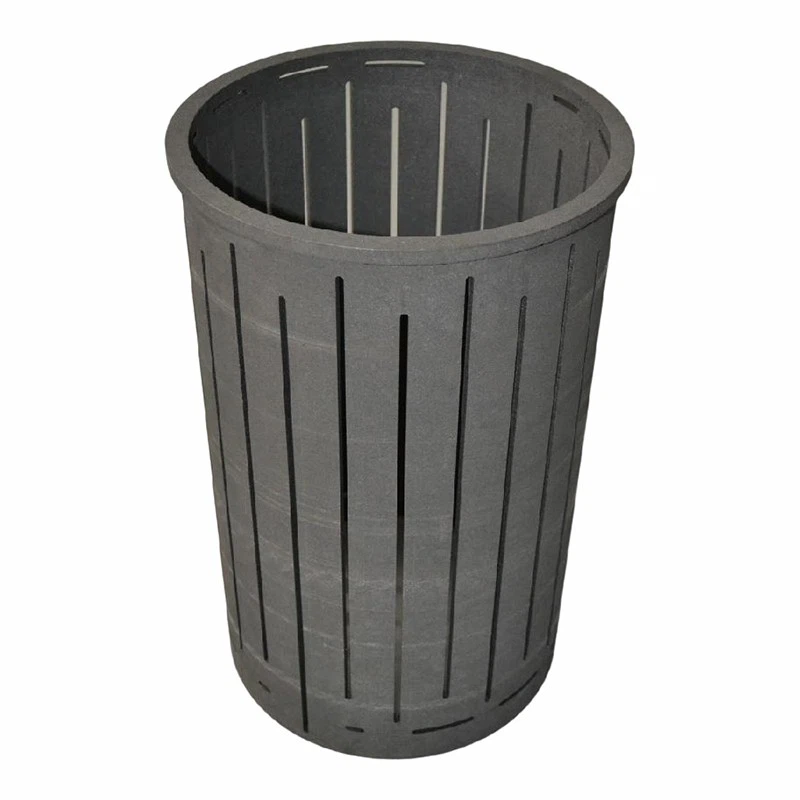
Situations Where Graphite Insulation Pads May Assist in Sound Reduction
Although graphite insulation pads are not designed primarily for soundproofing, there are some situations where they can contribute to sound reduction.
In industrial settings where high - temperature processes are taking place, the combination of heat and noise can be a significant problem. Since graphite insulation pads are already being used for thermal insulation, their presence can also provide a minor level of sound attenuation. For example, in a high - temperature furnace equipped with Graphite Heating Plate, the graphite insulation pads around the furnace can help reduce the noise that escapes from the furnace to a certain degree.
Limitations and Alternatives
It's important to note the limitations of using graphite insulation pads for soundproofing. As mentioned earlier, their lack of porosity makes them less effective at sound absorption. If soundproofing is a primary concern, there are many other materials available in the market that are specifically designed for this purpose.
Materials like fiberglass, acoustic foam, and mineral wool are well - known for their excellent sound - absorbing properties. These materials have a high number of pores that allow sound waves to be trapped and converted into heat energy. They are often used in recording studios, theaters, and residential buildings to reduce noise levels.
Conclusion
In conclusion, while graphite insulation pads can offer some minor sound - reducing benefits, especially in high - temperature industrial environments where they are already in use, they are not a substitute for dedicated soundproofing materials. Their primary function remains thermal insulation, and their structure and properties are optimized for this purpose.
However, if you are currently using our graphite insulation pads in your industrial processes and are also looking for ways to reduce noise, we can have in - depth discussions about possible solutions. At our company, we are committed to providing our customers with high - quality graphite products. If you have any needs regarding graphite insulation pads or other graphite products, whether for thermal insulation or other industrial applications, feel free to contact us for procurement discussions.
References
- Physics of Sound and Soundproofing - A comprehensive textbook on the principles of sound and how to control it.
- Graphite Material Science: Properties and Applications - A research paper exploring the various properties of graphite and its industrial uses.