

Hey there! I'm a supplier of graphite ingots, and I often get asked about how to test the quality of these little wonders. Graphite ingots are super important in a bunch of industries, from metal smelting to electronics. So, getting the quality right is a big deal. Let's dive into the different ways we can check the quality of a graphite ingot.
Physical Inspection
The first step in testing a graphite ingot is a good old - fashioned physical inspection. This is like giving it a once - over with your own eyes and hands.
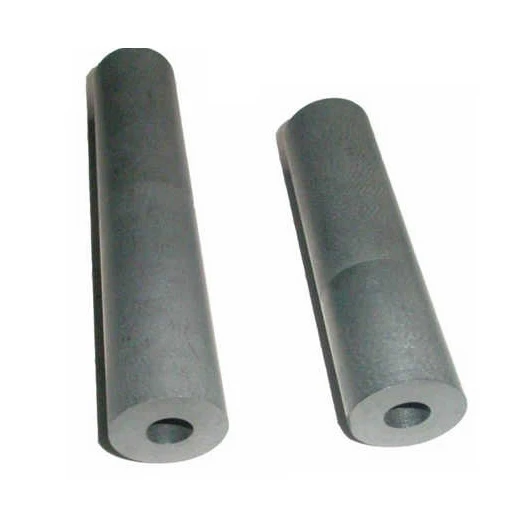
- Appearance: Take a close look at the surface of the ingot. It should be smooth, without any visible cracks, pits, or other defects. A rough or damaged surface can indicate problems during the manufacturing process. For example, if there are big cracks, it could mean that the ingot wasn't cooled down properly, which can seriously affect its strength and performance.
- Size and Shape: Make sure the ingot meets the specified dimensions. Any deviation from the standard size can cause issues when it's used in applications. For instance, if it's too big or too small for a particular graphite product like a Graphite Tube, it won't fit properly.
Density Testing
Density is a key factor in determining the quality of a graphite ingot. It gives us an idea of how tightly packed the graphite particles are.
- Measurement Method: We usually use the Archimedes' principle to measure the density. First, we weigh the ingot in air. Then, we submerge it in a liquid (usually water) and measure its apparent weight. By using these two weights and the density of the liquid, we can calculate the density of the ingot.
- What Density Tells Us: A higher density generally means better quality. It indicates that the graphite has fewer pores and a more uniform structure. This is important because a denser ingot will be stronger and more resistant to wear and tear. For example, in a Graphite Crucible, a denser graphite ingot will be able to withstand high temperatures and chemical reactions better.
Hardness Testing
Hardness is another crucial aspect of graphite ingot quality. It affects how well the ingot can resist scratching, abrasion, and deformation.
- Testing Techniques: There are a few ways to test the hardness of a graphite ingot. One common method is the Rockwell hardness test. In this test, a small indenter is pressed into the surface of the ingot with a specific force, and the depth of the indentation is measured. Another method is the Brinell hardness test, which uses a larger indenter and measures the diameter of the indentation.
- Significance of Hardness: A harder graphite ingot is more durable. It can be used in applications where it will be subjected to a lot of mechanical stress. For example, if the ingot is going to be used to make parts for machinery, a higher hardness will ensure that the parts last longer and perform better.
Thermal Conductivity Testing
Graphite is known for its excellent thermal conductivity, and this property is essential in many applications.
- Testing Process: To measure the thermal conductivity of a graphite ingot, we use a specialized instrument called a thermal conductivity meter. The meter measures the rate at which heat is transferred through the ingot.
- Why It Matters: Good thermal conductivity is important in applications like metal smelting. In a Graphite Tube used in metal smelting, high thermal conductivity allows for efficient heat transfer, which helps in melting the metal quickly and evenly.
Chemical Analysis
The chemical composition of a graphite ingot can have a big impact on its quality and performance.
- Analysis Methods: We use techniques like spectroscopy to analyze the chemical elements present in the ingot. This can tell us if there are any impurities or if the graphite has the right ratio of carbon and other elements.
- Impact of Chemical Composition: Impurities can weaken the ingot and affect its properties. For example, if there are too many metallic impurities, it can reduce the electrical conductivity of the graphite. On the other hand, a proper chemical composition ensures that the ingot has the desired properties for its intended application.
Electrical Conductivity Testing
Graphite is also a good conductor of electricity, and this property is important in many industries, especially electronics.
- Testing Method: We use a simple circuit to measure the electrical conductivity of the ingot. By applying a voltage across the ingot and measuring the current, we can calculate its resistance and then determine the conductivity.
- Importance in Applications: In electronic devices, a graphite ingot with high electrical conductivity can be used to make components like electrodes. It allows for efficient flow of electricity, which is crucial for the proper functioning of the device.
Oxidation Resistance Testing
Graphite can oxidize when exposed to high temperatures and oxygen. Testing its oxidation resistance is important to ensure its long - term performance.

- Testing Procedure: We heat the ingot in an oxygen - rich environment and measure the weight loss over a certain period of time. A lower weight loss indicates better oxidation resistance.
- Relevance in Applications: In applications where the graphite ingot will be exposed to high temperatures and oxygen, such as in some metal - smelting processes, good oxidation resistance is essential. It ensures that the ingot doesn't break down quickly and can be used for a longer time.
Porosity Testing
Porosity refers to the amount of empty space or pores in the graphite ingot.
- Testing Methods: There are several ways to test porosity, such as mercury intrusion porosimetry. In this method, mercury is forced into the pores of the ingot under pressure, and the volume of mercury absorbed is measured.
- Effect on Quality: High porosity can weaken the ingot and reduce its density and other properties. It can also make the ingot more susceptible to chemical attack. For example, in a Graphite Crucible, high porosity can lead to the penetration of molten metal into the pores, which can damage the crucible.
So, there you have it! These are the main ways we test the quality of a graphite ingot. As a supplier, I make sure that all our ingots go through these rigorous tests to ensure that they meet the highest standards. If you're in the market for high - quality graphite ingots, I'd love to have a chat with you. Whether you need them for making Graphite Tubes, Graphite Crucibles, or other products, we've got you covered. Reach out to me if you're interested in discussing your requirements and getting the best graphite ingots for your business.
References
- ASTM International standards on graphite testing
- Handbook of Graphite and Carbon Materials
- Journal of Carbon Science and Technology articles on graphite quality assessment