

As a seasoned supplier of graphite heaters, I've encountered numerous inquiries regarding the power consumption of these essential heating elements. Understanding the power consumption of a graphite heater is crucial for industrial applications, as it directly impacts operational costs, efficiency, and overall system performance. In this blog post, I'll delve into the factors influencing the power consumption of graphite heaters, provide insights on calculating power requirements, and offer practical tips for optimizing energy usage.
Factors Influencing Power Consumption
Temperature Requirements
The primary factor influencing the power consumption of a graphite heater is the desired operating temperature. Graphite heaters are capable of reaching extremely high temperatures, often exceeding 2000°C (3632°F). As the temperature increases, the power required to maintain that temperature also rises exponentially. This is due to the fact that heat transfer is proportional to the temperature difference between the heater and its surroundings. Therefore, higher temperatures demand more energy to overcome the increased heat loss.
Heater Size and Geometry
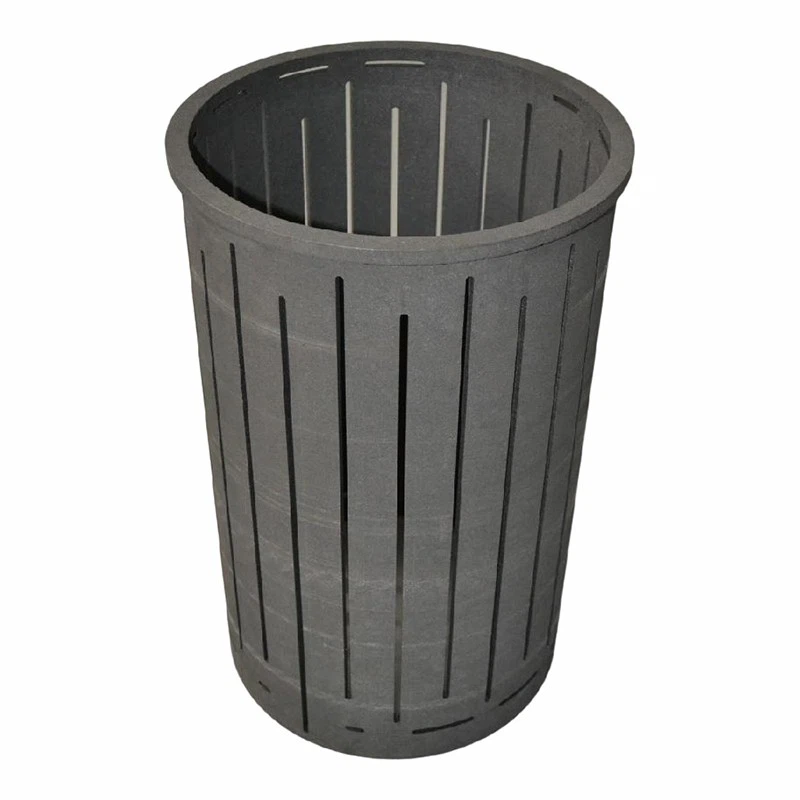
The size and geometry of the graphite heater also play a significant role in determining its power consumption. Larger heaters generally require more power to reach and maintain the desired temperature compared to smaller ones. Additionally, the shape of the heater can affect heat distribution and efficiency. For example, a flat Graphite Heating Plate may have different power requirements than a cylindrical or tubular heater.

Insulation
Proper insulation is essential for minimizing heat loss and reducing power consumption. Graphite heaters are often used in high-temperature furnaces, where insulation materials such as Graphite Insulation Pad are used to contain the heat within the system. The quality and thickness of the insulation can significantly impact the amount of power needed to maintain the desired temperature. Well-insulated furnaces will require less power to compensate for heat loss, resulting in lower energy costs.
Ambient Conditions
The ambient temperature and humidity can also affect the power consumption of a graphite heater. In colder environments, more power may be required to reach and maintain the desired temperature due to the increased heat loss to the surroundings. Similarly, high humidity levels can reduce the efficiency of the heater and increase power consumption.
Calculating Power Requirements
Calculating the power requirements of a graphite heater involves considering several factors, including the desired temperature, heater size, insulation, and ambient conditions. While there is no one-size-fits-all formula for calculating power consumption, the following steps can provide a general guideline:
Determine the Heat Load
The first step is to calculate the heat load, which is the amount of energy required to raise the temperature of the heater and its surroundings to the desired level. This can be calculated using the following formula:
Q = m * c * ΔT
Where:
Q = Heat load (in joules)
m = Mass of the heater and its surroundings (in kilograms)
c = Specific heat capacity (in joules per kilogram per degree Celsius)
ΔT = Temperature difference (in degrees Celsius)
Consider Heat Loss
Once the heat load is determined, it's important to account for heat loss. Heat loss can occur through conduction, convection, and radiation. To estimate heat loss, you can use empirical data or consult with a thermal engineer. The total power requirement can then be calculated by adding the heat load and the estimated heat loss.
Select the Appropriate Heater
Based on the calculated power requirement, you can select the appropriate graphite heater for your application. It's important to choose a heater with a power rating that is slightly higher than the calculated requirement to ensure reliable operation and account for any variations in operating conditions.
Optimizing Energy Usage
Choose the Right Heater
Selecting the right graphite heater for your application is crucial for optimizing energy usage. Consider factors such as heater size, shape, and power rating to ensure that the heater is capable of meeting your temperature requirements while minimizing energy consumption.
Improve Insulation
As mentioned earlier, proper insulation is essential for reducing heat loss and lowering power consumption. Invest in high-quality insulation materials and ensure that the insulation is installed correctly to maximize its effectiveness.
Monitor and Control Temperature
Regularly monitoring and controlling the temperature of the graphite heater can help optimize energy usage. Use a temperature controller to maintain the desired temperature within a narrow range and avoid overheating.
Maintain the Heater
Proper maintenance of the graphite heater is essential for ensuring its efficiency and longevity. Regularly inspect the heater for signs of wear and tear, and replace any damaged components as needed.
Conclusion
Understanding the power consumption of a graphite heater is essential for industrial applications. By considering factors such as temperature requirements, heater size, insulation, and ambient conditions, you can calculate the power requirements and select the appropriate heater for your application. Additionally, implementing energy-saving measures such as improving insulation, monitoring and controlling temperature, and maintaining the heater can help optimize energy usage and reduce operational costs.
If you're interested in learning more about graphite heaters or have specific questions about power consumption, please don't hesitate to contact us. Our team of experts is available to provide you with personalized advice and assistance. We look forward to helping you find the right graphite heater solution for your needs.
References
- Incropera, F. P., & DeWitt, D. P. (2002). Fundamentals of Heat and Mass Transfer. John Wiley & Sons.
- Holman, J. P. (2010). Heat Transfer. McGraw-Hill.
- ASHRAE Handbook: Fundamentals. (2017). American Society of Heating, Refrigerating and Air-Conditioning Engineers.