

Hey there! As a supplier of graphite gaskets, I've seen firsthand how crucial it is to understand the impact of bolt tightening torque on gasket performance. In this blog, I'll break down what you need to know about this relationship and why it matters for your machinery and equipment.
First off, let's talk about graphite gaskets. These bad boys are super versatile and are used in a wide range of applications, from automotive engines to industrial machinery. They're known for their excellent sealing properties, high temperature resistance, and chemical stability. You can check out our Graphite Gaskets For Machinery And Equipment to see the different types we offer.
Now, onto the main topic: bolt tightening torque. When you're installing a graphite gasket, you need to tighten the bolts to a specific torque value. This torque is what creates the necessary pressure to compress the gasket and form a tight seal. But here's the thing - if you don't get the torque right, it can have a major impact on the gasket's performance.
Too Little Torque
If you don't tighten the bolts enough, the gasket won't be compressed properly. This means there won't be enough pressure to create a good seal, and you might end up with leaks. Leaks can cause all sorts of problems, like loss of fluid or gas, reduced efficiency, and even damage to your equipment. It's like trying to close a ziplock bag halfway - things are just going to spill out.
Too Much Torque
On the other hand, if you over - tighten the bolts, you can actually damage the gasket. Graphite gaskets are relatively soft compared to some other materials, and excessive torque can cause them to be crushed or deformed. When this happens, the gasket may lose its ability to maintain a seal over time. It's like squeezing a sponge too hard - it loses its shape and won't work as well.
Finding the Right Torque
So, how do you find the right bolt tightening torque? Well, it depends on a few factors. The type of graphite gasket you're using is a big one. Different gaskets have different compression characteristics, so the recommended torque can vary. The size and material of the bolts also play a role. Larger bolts generally require more torque, and different materials have different strength properties.
Another important factor is the application. If you're using the gasket in a high - pressure environment, you'll need to use more torque to ensure a proper seal. But you also need to make sure the gasket can handle that pressure without being damaged.
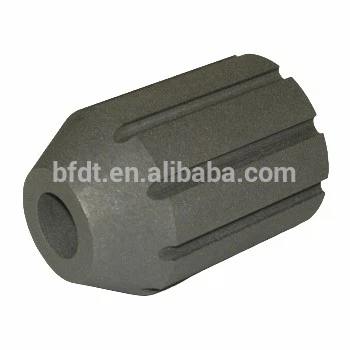

To determine the correct torque, it's a good idea to refer to the manufacturer's specifications. Most gasket manufacturers provide recommended torque values based on the type of gasket and the application. You can also use torque - tightening tools, like torque wrenches, to ensure you're applying the right amount of force.
Impact on Long - Term Performance
Getting the bolt tightening torque right is not just important for immediate sealing. It also has a big impact on the long - term performance of the gasket. A properly tightened gasket will last longer and maintain its sealing properties over time. This means less downtime for maintenance and replacement, which can save you a lot of money in the long run.
On the flip side, if the torque is off, the gasket may need to be replaced more frequently. This can be a hassle and can also increase your operating costs. It's like buying a cheap pair of shoes that fall apart quickly - you end up spending more in the long run because you have to keep buying new ones.
Other Considerations
There are a few other things to keep in mind when it comes to bolt tightening and graphite gaskets. For example, the surface finish of the mating flanges is important. If the surfaces are rough or uneven, it can affect the gasket's ability to form a seal, even if the torque is correct. Make sure the flanges are clean and smooth before installing the gasket.
Also, the order in which you tighten the bolts matters. It's usually recommended to tighten the bolts in a criss - cross pattern to ensure even compression of the gasket. This helps to distribute the pressure evenly and reduces the risk of leaks.
Related Graphite Products
In addition to graphite gaskets, we also offer other graphite products that can be used in similar applications. Check out our Graphite Thermal Sheet, which is great for heat transfer applications. We also have Graphite Thrust Bearing, which can provide smooth and reliable operation in high - load situations.
Conclusion
In conclusion, bolt tightening torque is a critical factor in the performance of graphite gaskets. Whether it's too little or too much torque, it can lead to problems like leaks and premature gasket failure. By understanding the importance of getting the torque right and following the manufacturer's recommendations, you can ensure that your gaskets perform at their best and last as long as possible.
If you're in the market for high - quality graphite gaskets or have any questions about bolt tightening torque, don't hesitate to reach out. We're here to help you find the right solutions for your needs and ensure your equipment runs smoothly.
References
- "Sealing Technology Handbook" - A comprehensive guide on gasket sealing and related topics.
- Manufacturer's specifications for graphite gaskets.