


Hey there! I'm a supplier of Graphite Heating Plates, and today I want to chat about whether these nifty devices require special installation conditions. Let's dig right in!
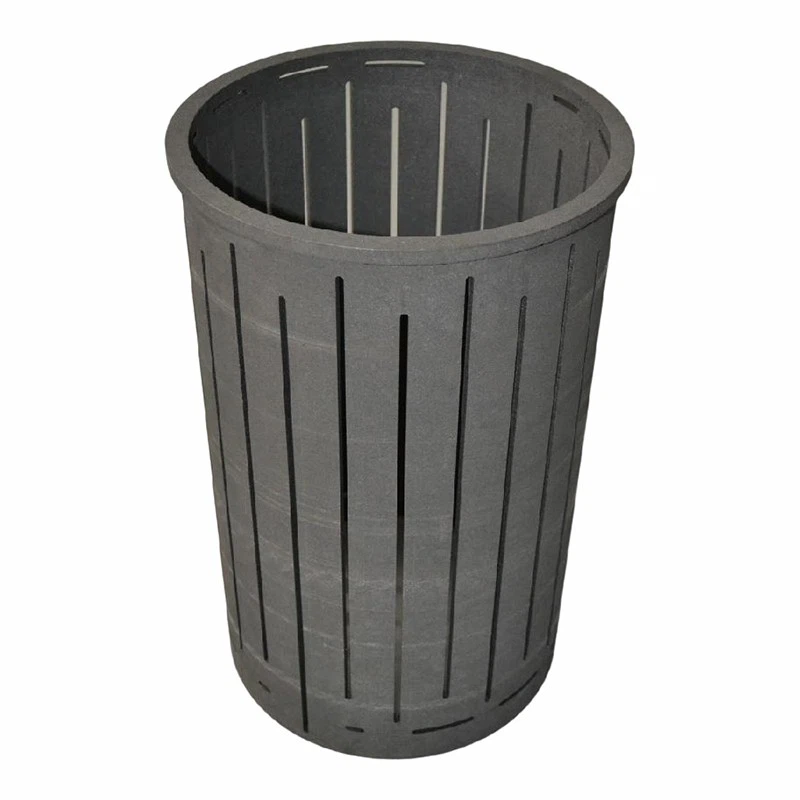

Understanding Graphite Heating Plates
First off, let's quickly go over what Graphite Heating Plates are. They're super useful in a bunch of industrial processes, especially in high - temperature furnaces. Graphite is a great material for heating plates because it has excellent thermal conductivity, high heat resistance, and good mechanical strength at high temperatures. You can check out more about them on our Graphite Heating Plate page.
General Installation Conditions
When it comes to installing Graphite Heating Plates, there are some general conditions that you need to keep in mind.
Temperature Environment
Graphite Heating Plates are designed to work in high - temperature environments. However, during the installation process, you need to make sure the surrounding temperature is within a reasonable range. Extreme cold or heat during installation can cause thermal stress, which might lead to cracks or other damages to the plate. For example, if it's too cold, the graphite might become brittle and break easily when being handled or attached.
Cleanliness
The installation area has to be clean. Dust, debris, or any foreign particles can get in between the heating plate and its mounting surface. This can affect the heat transfer efficiency and might even cause uneven heating. A dirty environment can also introduce contaminants that could react with the graphite over time, reducing its lifespan. So, a good clean - up of the installation site is a must.
Electrical Connections
If your Graphite Heating Plate is electrically powered, proper electrical connections are crucial. You need to ensure that the voltage and current ratings match the specifications of the plate. Using incorrect electrical settings can not only damage the heating plate but also pose a safety hazard. It's always a good idea to have a professional electrician check the connections to make sure everything is up to code.
Special Installation Conditions
Now, let's talk about the special installation conditions that might be required for Graphite Heating Plates.
Isolation and Insulation
In many industrial applications, you'll need to isolate the Graphite Heating Plate from other components. This is where Graphite Insulation Pad comes in handy. These pads help to prevent heat loss to the surrounding environment and also protect other parts of the equipment from the high temperatures generated by the heating plate. They're made of high - quality graphite materials that can withstand extreme temperatures and provide excellent insulation properties.
Gas Atmosphere
Some high - temperature applications using Graphite Heating Plates require a specific gas atmosphere during installation and operation. For example, in a reducing gas atmosphere, graphite can have better stability and performance. In an oxidizing atmosphere, however, graphite can react with oxygen at high temperatures, leading to oxidation and degradation. So, depending on your application, you might need to set up a gas - controlled environment during installation.
Mounting Precision
Graphite Heating Plates need to be mounted with high precision. Any misalignment can cause uneven heating, which can lead to premature failure of the plate. You need to make sure the plate is perfectly level and firmly attached to its mounting surface. This might require special tools and techniques to achieve the right alignment and tightness.
Compatibility with Other Components
Graphite Heating Plates often work in conjunction with other components in an industrial setup. For example, they might be used in a Graphite Heater For High Temperature Furnace. In such cases, you need to ensure that the heating plate is compatible with these other components.
Thermal Expansion
Different materials have different rates of thermal expansion. When the Graphite Heating Plate is heated up, it will expand. You need to make sure that the other components it's connected to can accommodate this expansion without causing any stress or damage. Otherwise, it can lead to mechanical failures or even safety issues.
Chemical Compatibility
Graphite is a relatively stable material, but it can still react with certain chemicals under specific conditions. You need to ensure that the chemicals present in the industrial process are compatible with the graphite heating plate. If there are any reactive chemicals, you might need to take additional measures such as using protective coatings or isolation barriers.
Maintenance and Monitoring After Installation
Once the Graphite Heating Plate is installed, proper maintenance and monitoring are essential.
Regular Inspections
You should conduct regular inspections of the heating plate to check for any signs of damage, such as cracks, discoloration, or loose connections. Early detection of problems can prevent major failures and extend the lifespan of the plate.
Temperature Monitoring
Monitoring the temperature of the heating plate and its surrounding environment is crucial. This can help you detect any abnormal temperature fluctuations, which might indicate a problem with the heating plate or its installation.
Conclusion
So, do Graphite Heating Plates require special installation conditions? The answer is yes. While they are robust and versatile, proper installation is key to ensuring their optimal performance and longevity. From considering the temperature environment and cleanliness to ensuring proper isolation, gas atmosphere, and mounting precision, there are several factors to take into account.
If you're in the market for Graphite Heating Plates or have any questions about their installation and application, don't hesitate to reach out. We're here to help you with all your graphite heating plate needs and can guide you through the installation process to make sure everything goes smoothly.
References
Industrial Heating Handbook: Covers general knowledge about heating equipment installation and operation.
Graphite Material Science Research Papers: Provide in - depth information about the properties of graphite and its behavior under different conditions.