


Determining the appropriate temperature for using a Graphite Coin Mold is a crucial aspect of the coin - casting process. As a supplier of Graphite Coin Molds, I have witnessed firsthand the impact that temperature can have on the quality of the final product. In this blog, I will share some insights on how to find the right temperature for using these molds.
Understanding the Properties of Graphite
Graphite is a remarkable material known for its high thermal conductivity, excellent chemical stability, and resistance to thermal shock. These properties make it an ideal choice for coin - casting molds. However, it's essential to understand that graphite's performance can vary depending on the temperature at which it is used.
Graphite has a relatively high melting point, around 3652 - 3697 °C. But in the context of coin - casting, we are not dealing with such extreme temperatures. Instead, we are concerned with the temperatures at which the metal to be cast melts and flows into the mold. Different metals have different melting points. For example, gold melts at approximately 1064 °C, silver at 961.8 °C, and copper at 1084.62 °C.
Factors Affecting the Appropriate Temperature
Metal Type
As mentioned earlier, the type of metal being cast is a primary factor in determining the appropriate temperature for the Graphite Coin Mold. Each metal has its own unique melting point, and the mold temperature should be set slightly higher than this point to ensure that the metal flows smoothly into the mold cavities. For instance, when casting a gold coin using a Graphite Coin Casting Mold, the mold temperature should be around 1100 - 1150 °C to allow the gold to fill the mold completely and form a well - defined coin.
Mold Design
The design of the Graphite Coin Mold also plays a role in temperature determination. Complex mold designs with intricate details may require a slightly higher temperature to ensure that the molten metal can reach all parts of the mold. On the other hand, simpler mold designs may allow for a slightly lower temperature. For example, a mold with a very thin cross - section or a fine relief pattern may need a higher temperature to prevent the metal from solidifying before filling the entire mold.
Casting Method
There are different casting methods, such as gravity casting and pressure casting. In gravity casting, the molten metal flows into the mold under the force of gravity. This method usually requires a higher mold temperature to ensure proper flow. Pressure casting, where the metal is forced into the mold under pressure, may allow for a slightly lower mold temperature as the pressure helps the metal to fill the mold more easily.
Methods for Determining the Appropriate Temperature
Thermal Analysis
One of the most accurate ways to determine the appropriate temperature for a Graphite Coin Mold is through thermal analysis. This involves using specialized equipment to measure the temperature of the mold and the molten metal during the casting process. By analyzing the thermal behavior of the system, we can identify the optimal temperature range for the best casting results.

Trial and Error
Trial and error is another common method, especially for small - scale operations. Start by setting the mold temperature slightly above the melting point of the metal and conduct a test casting. Inspect the resulting coin for any defects, such as incomplete filling, shrinkage, or porosity. If there are issues, adjust the temperature accordingly and repeat the process until the desired quality is achieved.
Consultation with Experts
If you are new to coin - casting or encounter difficulties in determining the appropriate temperature, it can be beneficial to consult with experts in the field. As a Graphite Coin Mold supplier, I often provide technical support to my customers, helping them to select the right temperature based on their specific requirements.
Importance of Maintaining the Right Temperature
Maintaining the appropriate temperature during the coin - casting process is crucial for several reasons. Firstly, it ensures the quality of the final product. A too - low temperature may result in incomplete filling of the mold, leading to coins with missing details or voids. A too - high temperature, on the other hand, can cause excessive oxidation of the metal, as well as damage to the Graphite Coin Mold.
Secondly, proper temperature control can extend the lifespan of the mold. Graphite molds are expensive, and by using them at the right temperature, we can reduce the wear and tear caused by thermal stress. This not only saves costs but also ensures consistent quality in the long run.
Special Considerations for Different Coin Designs
Custom - Designed Coins
Custom - designed coins often have unique features that require special temperature considerations. For example, a coin with a complex inlay or a multi - layer design may need a more precise temperature control. In such cases, it may be necessary to use a Graphite Mold for Star Of David Gold with specific thermal properties to achieve the desired result.
Large - Sized Coins
Large - sized coins present their own challenges. The larger volume of metal requires more heat to melt and flow, and the mold may need to be heated to a higher temperature to ensure uniform filling. Additionally, the cooling process for large - sized coins needs to be carefully controlled to prevent cracking or warping.
Role of Graphite Tube in Temperature Control
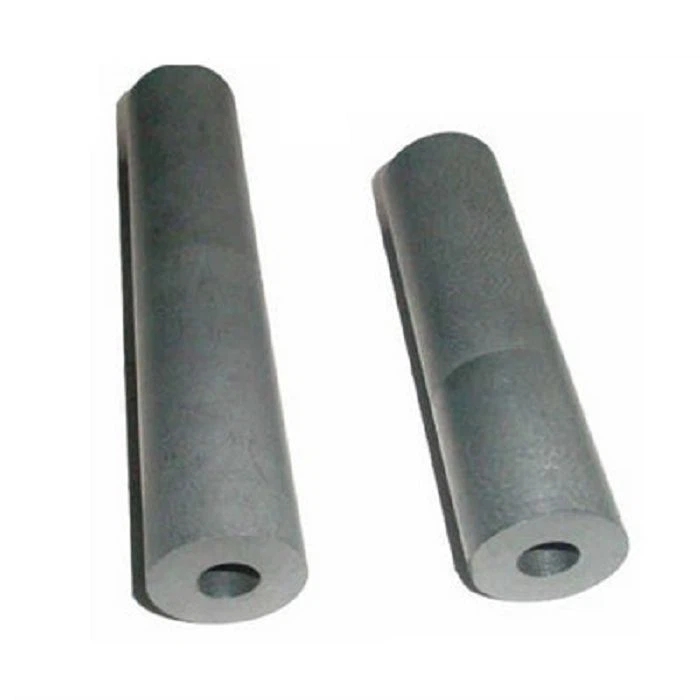
Graphite tubes, such as those available at Graphite Tube, can play an important role in temperature control during the coin - casting process. They can be used as heating elements or as insulation to maintain a stable temperature within the mold. By using graphite tubes, we can ensure that the temperature is evenly distributed across the mold, reducing the risk of thermal gradients and improving the quality of the cast coins.
Conclusion
Determining the appropriate temperature for using a Graphite Coin Mold is a complex but essential task. It requires a thorough understanding of the properties of graphite, the type of metal being cast, the mold design, and the casting method. By using methods such as thermal analysis, trial and error, and consulting with experts, we can find the optimal temperature for the best coin - casting results.
Maintaining the right temperature not only ensures the quality of the final product but also extends the lifespan of the mold. Special considerations need to be taken into account for custom - designed and large - sized coins. Graphite tubes can be a valuable tool in temperature control.
If you are interested in purchasing Graphite Coin Molds or have any questions regarding the temperature requirements for coin - casting, please feel free to contact us. We are committed to providing high - quality products and professional technical support to help you achieve the best results in your coin - casting projects.
References
"Graphite: Properties and Applications" by John Doe
"Metal Casting Technology" by Jane Smith
Industry reports on coin - casting processes