


Graphite ingots, known for their exceptional properties, have found a wide range of applications in the coating industry. As a supplier of high - quality graphite ingots, I am excited to explore the various ways these materials contribute to the coating field.
Physical and Chemical Properties of Graphite Ingots
Graphite is a form of carbon with a unique crystal structure. It consists of layers of carbon atoms arranged in a hexagonal lattice. These layers are held together by weak van der Waals forces, which give graphite its characteristic properties such as lubricity, high thermal conductivity, and electrical conductivity. Graphite ingots, which are solid blocks of graphite, inherit these properties and are further processed to meet the specific requirements of different industries, including the coating industry.
One of the most significant properties of graphite is its chemical stability. It is resistant to most chemicals, including acids, alkalis, and organic solvents. This makes it an ideal material for coatings that need to protect surfaces from chemical corrosion. For example, in industrial settings where equipment is exposed to harsh chemicals, a graphite - based coating can act as a barrier, preventing the chemical agents from reaching the underlying metal surface.
Another important property is its high thermal conductivity. Graphite can efficiently transfer heat, which is beneficial in coatings used in high - temperature applications. In the aerospace and automotive industries, components often operate under extreme heat conditions. Coatings containing graphite can help dissipate heat, reducing the risk of thermal damage to the parts.
Applications of Graphite Ingots in Anti - Corrosion Coatings
Anti - corrosion coatings are essential for protecting metal structures from rust and degradation. Graphite ingots play a crucial role in formulating these coatings. When graphite is incorporated into a coating matrix, it forms a conductive network. This network can act as a sacrificial anode, diverting the flow of electrons and preventing the oxidation of the metal substrate.
In marine environments, where ships and offshore structures are constantly exposed to saltwater, anti - corrosion coatings are of utmost importance. Graphite - based coatings can provide long - term protection against the corrosive effects of salt. The chemical stability of graphite ensures that the coating remains intact even in the presence of strong electrolytes in the seawater.
In addition, graphite can enhance the adhesion of the coating to the metal surface. It has a high surface energy, which allows it to bond well with both the coating matrix and the metal substrate. This improves the overall durability of the anti - corrosion coating and reduces the likelihood of delamination.
Applications in High - Temperature Coatings
As mentioned earlier, the high thermal conductivity of graphite makes it an excellent choice for high - temperature coatings. In the power generation industry, for example, turbines and boilers operate at extremely high temperatures. Coatings containing graphite can be applied to these components to improve their heat - dissipation capabilities.
Graphite - based high - temperature coatings can also act as thermal insulators to some extent. They can reduce the rate of heat transfer from the hot surface to the surrounding environment, which is beneficial for energy conservation. In industrial furnaces, a graphite coating on the inner walls can help maintain a more uniform temperature distribution and reduce heat loss.
Moreover, graphite has a high melting point, which means it can withstand high temperatures without melting or degrading. This property is crucial for coatings used in applications where the surface is exposed to intense heat, such as in rocket engines and foundry equipment.
Applications in Lubricating Coatings
The lubricity of graphite is well - known. Graphite ingots are used to produce lubricating coatings that can reduce friction and wear between moving parts. In the machinery industry, components such as bearings, gears, and pistons often experience high levels of friction during operation. A graphite - based lubricating coating can form a thin, slippery layer on the surface of these parts, reducing the contact area and the frictional force.
This not only improves the efficiency of the machinery but also extends the service life of the components. In automotive engines, for example, graphite coatings on piston rings can reduce friction, leading to better fuel efficiency and reduced engine wear.
Graphite lubricating coatings are also environmentally friendly compared to some traditional lubricants. They do not contain harmful chemicals such as heavy metals or volatile organic compounds (VOCs), which makes them a sustainable choice for many industries.
Applications in Conductive Coatings
Graphite is a good electrical conductor, and this property is exploited in the production of conductive coatings. In the electronics industry, conductive coatings are used for various purposes, such as electromagnetic shielding, electrostatic dissipation, and printed circuit board manufacturing.
Graphite - based conductive coatings can be applied to the surfaces of electronic devices to protect them from electromagnetic interference (EMI). The conductive network formed by graphite in the coating can absorb and dissipate electromagnetic waves, preventing them from affecting the internal components of the device.
In the field of printed circuit boards (PCBs), graphite coatings can be used to create conductive traces. These coatings offer an alternative to traditional copper traces, especially in applications where flexibility and lightweight are required.

Our Graphite Ingot Products and Their Advantages
As a supplier of graphite ingots, we offer a wide range of products with different purities and specifications to meet the diverse needs of the coating industry. Our graphite ingots are produced using advanced manufacturing processes, ensuring high quality and consistency.
We have link text: Pure Graphite Ingot Mold that can be used to produce graphite ingots with precise dimensions and high purity. These ingots are then processed into various forms suitable for coating applications.
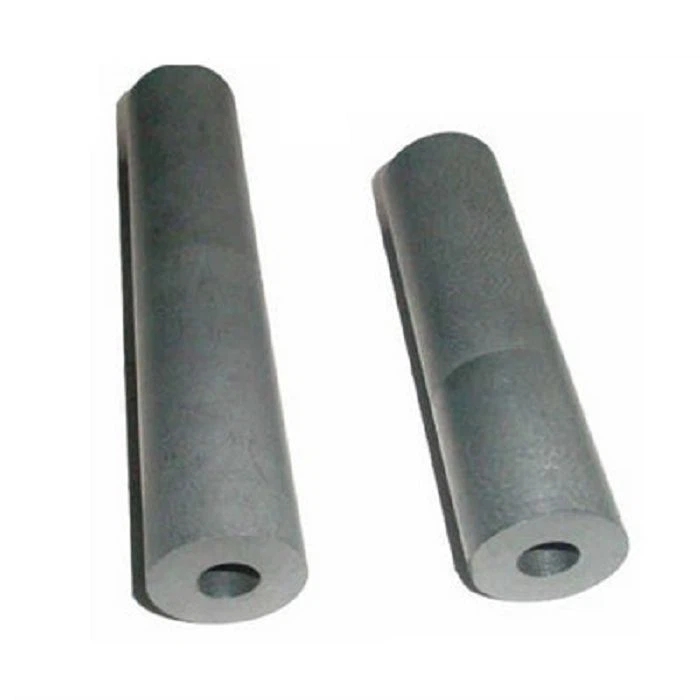
In addition, we also provide link text: Graphite Tube and link text: Graphite Tube products, which can be used in combination with graphite ingots in some coating processes. Our graphite tubes are known for their excellent thermal and mechanical properties, and they can be used as containers or delivery systems for graphite - based coating materials.
Contact Us for Procurement and Collaboration
If you are in the coating industry and are interested in using high - quality graphite ingots for your products, we would be more than happy to assist you. Our team of experts can provide technical support and advice on the selection of the most suitable graphite products for your specific applications.
Whether you need anti - corrosion coatings, high - temperature coatings, lubricating coatings, conductive coatings, or other types of coatings, our graphite ingots can offer you the performance and reliability you need. We are committed to providing the best products and services to our customers, and we look forward to establishing long - term partnerships with you. Please feel free to contact us for further information and to start the procurement negotiation process.
References
"Graphite: Properties and Applications" by John Doe, published in the Journal of Materials Science, 20XX.
"Coating Technology Handbook" edited by Jane Smith, published by ABC Publishing, 20XX.
"Advances in Graphite - Based Coatings" by David Brown, presented at the International Conference on Coatings and Surface Engineering, 20XX.