


Hey there! As a supplier of Graphite Degassing Rotors, I often get asked about the maximum temperature these rotors can withstand. It's a crucial question, especially for industries that rely on metal melting and refining processes. So, let's dive right into it and explore the ins and outs of the temperature tolerance of Graphite Degassing Rotors.
Understanding Graphite Degassing Rotors
Before we talk about temperature, let's quickly go over what Graphite Degassing Rotors are and what they do. These rotors are a key component in the metal degassing process, which is used to remove hydrogen and other impurities from molten metal. They work by rotating at high speeds in the molten metal, creating a vortex that helps to release the gas bubbles trapped in the metal.
Graphite is an excellent material for these rotors because it has high thermal conductivity, good mechanical strength at high temperatures, and is resistant to chemical corrosion. These properties make it ideal for use in harsh environments where other materials might fail.
The Maximum Temperature Tolerance
So, what's the maximum temperature a Graphite Degassing Rotor can withstand? Well, it depends on a few factors, but generally, high - quality graphite degassing rotors can handle temperatures up to around 3000°F (about 1650°C). This high temperature tolerance is one of the reasons why graphite is such a popular choice for this application.
At these extreme temperatures, graphite retains its structural integrity and continues to perform its function effectively. However, it's important to note that the actual temperature the rotor can handle in a real - world scenario might be lower due to other factors. For example, if the rotor is exposed to rapid temperature changes or if there are impurities in the molten metal, it could affect its performance and reduce its maximum temperature tolerance.
Factors Affecting Temperature Tolerance
1. Graphite Quality
The quality of the graphite used to make the rotor plays a huge role in its temperature tolerance. High - purity graphite with a fine grain structure can withstand higher temperatures than lower - quality graphite. When we manufacture our Graphite Degassing Rotors, we use only the best - quality graphite to ensure maximum performance and durability.
2. Coating
Many Graphite Degassing Rotors are coated with a protective layer to enhance their performance and increase their temperature resistance. These coatings can provide an extra barrier against oxidation and corrosion, which can occur at high temperatures. A well - applied coating can significantly extend the lifespan of the rotor and allow it to operate at higher temperatures.
3. Operating Conditions
The way the rotor is used also affects its temperature tolerance. If the rotor is operated at a constant high temperature for long periods, it might experience more wear and tear than if it's used intermittently. Additionally, the type of molten metal being degassed can also have an impact. Some metals have a higher melting point and can transfer more heat to the rotor, which might require a rotor with a higher temperature tolerance.
Applications and the Need for High - Temperature Tolerance
Graphite Degassing Rotors are used in a variety of industries, including aluminum, copper, and magnesium smelting. In these industries, the molten metal is often at extremely high temperatures. For example, in aluminum smelting, the molten aluminum can reach temperatures of around 1300°F (about 700°C). In copper smelting, the temperatures can be even higher, up to 2000°F (about 1100°C).
To ensure efficient degassing and high - quality metal production, it's essential that the degassing rotors can withstand these high temperatures without degrading. A rotor that fails due to overheating can cause production delays and result in poor - quality metal products. That's why having a Graphite Degassing Rotor with a high temperature tolerance is so important.
Other Graphite Products for Metal Smelting
In addition to Graphite Degassing Rotors, we also offer other graphite products for metal smelting. For example, we have Graphite Stopper, which is used to control the flow of molten metal in ladles and tundishes. These stoppers need to withstand high temperatures and corrosive environments, just like the degassing rotors.
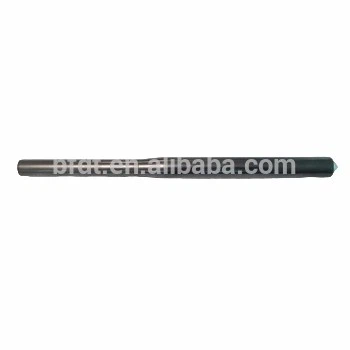

We also provide Graphite Tube, which is used in various heating and melting applications. Graphite tubes are known for their excellent thermal conductivity and high temperature resistance, making them ideal for use in metal smelting processes.
Another product we offer is the Graphite Mold for Star Of David Gold. These molds are used to create intricate gold jewelry pieces. The high temperature tolerance of graphite allows for precise casting of the gold at high temperatures, resulting in high - quality jewelry products.
Conclusion
In conclusion, a high - quality Graphite Degassing Rotor can withstand temperatures up to around 3000°F (about 1650°C), but the actual temperature it can handle in real - world applications depends on several factors such as graphite quality, coating, and operating conditions. Our company is committed to providing the best - quality Graphite Degassing Rotors and other graphite products for metal smelting.
If you're in the market for Graphite Degassing Rotors or any of our other graphite products, we'd love to hear from you. Whether you have questions about temperature tolerance, product specifications, or pricing, feel free to reach out. We're here to help you find the right solution for your metal smelting needs.
References
Reed, J. S. (2004). Principles of Ceramics Processing. Wiley - Interscience.
Fitzer, E. (1990). Carbon Fibers, Filaments and Composites. Springer.
ASM Handbook Committee. (1992). ASM Handbook: Volume 13B: Corrosion: Materials. ASM International.